

In many homes, the presence of moisture in the basement is a recurring problem that can lead to significant structural and health issues. Homeowners often struggle to differentiate between basement leak signs and other moisture problems, which may lead to improper remedies or delayed repairs. Moisture intrusion in basements may occur due to a range of factors including condensation, groundwater seepage, or even minor leaks that gradually develop into major water damage issues. Recognizing these issues early is crucial for ensuring indoor air quality, preventing mold growth, and reducing any hazards that may compromise the foundation or overall structural integrity.
This comprehensive article explores the multiple facets of basement moisture issues. It discusses how to distinguish direct water intrusions from indirect indicators that may stem from high ambient humidity or condensation. In addition, the article examines physical changes such as efflorescence, peeling surfaces, and wood degradation that signal potential water damage. Identifying these signs is essential for taking timely action to prevent water damage and for implementing Foundation Waterproofing solutions. By understanding the specific symptoms, homeowners can make informed decisions regarding repair, prevention, and maintenance measures.
The following sections provide detailed insights into each class of moisture-related issues, including direct observations like puddles or stains, indirect symptoms such as condensation, structural and material changes, and odor indications. The discussion also covers strategies for long-term mitigation and monitoring of water intrusion. This article is intended to serve as a guide for homeowners, property managers, and professionals involved in basement repair and moisture control.
Transitioning to the detailed analysis, the article first addresses the direct signs that indicate a basement leak.
Recognizing Direct Signs of Basement Water Intrusion

The immediate visual evidence of water intrusion in a basement provides undeniable clues. Direct signs such as water puddles on the floor or clear indications of seepage along the walls often reveal the source and nature of the problem. Homeowners who observe these clear signs should be alert, as they may indicate active leaks that require immediate attention. Direct observations are critical because these phenomena are not easily mistaken for minor condensation effects or temporary moisture accumulation caused by weather changes.
Direct water intrusion is typically associated with an actual break in the waterproofing or a structural failure that allows groundwater to penetrate the basement. For instance, persistent water puddles that form even during dry periods strongly suggest that there has been a compromise in the foundation’s integrity. In some cases, such puddles may be linked to capillary action, where water is drawn up through porous concrete or brick walls. This is often exacerbated by poor drainage systems around the home, where water from snowmelt or heavy rain does not flow away from the structure effectively.
Observing Water Puddles and Clear Seepage Indications

When examining the basement, clear water puddles are one of the most definitive indicators of water intrusion. These puddles are not merely damp spots or condensation; they are collected pools of water that have accumulated over time. Homeowners should observe the location, size, and persistence of these puddles. If the puddles continually form in the same area, even a few days after the last rainfall, it is likely that there is a substantial leak in the foundation or an issue with the sump pump system. Additionally, clear seepage along the walls or floor edges further confirms that water is finding its way inside.
The presence of these puddles should prompt further inspection. Using a moisture meter or conducting a dye test can help confirm the leak’s origin. For example, by applying a non-toxic dye near the suspected leak area and checking for color appearance in the puddle, one can verify whether external water is intruding or if the moisture is due to internal condensation. The chemical composition of the water itself can also provide clues; water that is free from organic matter or debris may indicate groundwater seepage rather than a burst pipe or plumbing leak.
Moreover, water puddles that form seasonally, especially during periods of heavy snowmelt or early spring rains, require immediate remediation to prevent long-term damage. The persistence of these puddles can lead to further complications such as corrosion of metal components, including downspouts and sump pump mechanisms, thereby interlinking the problem with potential mold growth and indoor air quality issues. In such cases, comprehensive basement waterproofing and drainage improvements are advised.
Identifying Fresh Water Stains on Walls and Floors

Fresh water stains on basement walls and floors offer another tangible sign of leakage. These stains are typically lighter in contrast to older, weathered stains, indicating recent water seepage. The pattern, size, and distribution of these stains can aid in diagnosing the source of the leak. Fresh stains usually lack the granular appearance of efflorescence and may have defined borders, suggesting a continuous water stream that is slowly infiltrating the material.
When inspecting walls, homeowners should look for areas where the paint appears discolored, particularly in zones adjacent to windows, doors, or foundation joints. Such stains may form due to a combination of water infiltration and the migration of dissolved minerals. Fresh water stains are most concerning when they develop abruptly after periods of heavy precipitation or flooding events. Unlike condensation, which typically leaves behind a diffuse, even moisture mark, fresh stains are more localized and imply that water is not simply condensing from the air but is entering the structure from an external source.
Furthermore, these fresh stains can sometimes be accompanied by a slight dampness or even a cool temperature on contact. This phenomenon indicates that the water has not yet evaporated and could lead to the growth of mold or mildew if not addressed promptly. Detection of these water stains should warrant a full inspection by a professional, who can use infrared cameras and moisture meters to accurately map the extent of the intrusion. Such inspections are essential for preventing the escalation of water damage, which could compromise the integrity of the foundation and lead to hazardous indoor air quality over time.
Differentiating Indirect Moisture Symptoms From Leaks

Not all moisture in the basement is due to active leaks; some conditions stem from ambient humidity and condensation buildup. Differentiating these indirect moisture symptoms from actual water leaks is crucial in deciding the subsequent remediation approach. While active water leaks generally result in pooling water or fresh stains, indirect signs tend to be more diffused and less obvious yet still can cause gradual material degradation and mold growth.
Indirect moisture symptoms such as condensation buildup on cold surfaces can be mistaken for small leaks; however, condensation is often seasonal or influenced by temperature fluctuations between the warm interior and a cold basement. In these cases, the moisture accumulation is typically transient, forming as droplets on walls, pipes, or even windows rather than pooling or seeping continuously. Understanding the environmental control within the basement, like proper ventilation and dehumidification, is key to validating if the moisture is a result of condensation or a hidden leak.
Moreover, room conditions that experience high humidity levels often attract condensation, which may lead to water droplets forming in the corners or on surfaces. However, unlike direct leak indicators, these droplets usually evaporate once the ambient temperature stabilizes or when proper ventilation is provided. It is essential to monitor these conditions over several days to determine if the moisture consistently reappears or if it is a one-off occurrence linked to environmental factors.
Spotting Signs of Condensation Buildup and Ambient Dampness

Signs of condensation buildup include a fine layer of moisture on surfaces that persist even after a period of drying. Homeowners might notice that certain areas of their basement feel slightly damp to the touch, despite the absence of any visible water source. This phenomenon is most common in basements that lack adequate ventilation or in homes where large temperature differences exist between indoor air and the cooler basement environment. The condensation often appears as a thin film of water, sometimes visible as droplets on metal surfaces like pipes or on concrete walls.
Observing condensation requires a detailed examination of the basement after heating or cooling cycles. For example, early in the morning, after the basement has been closed off and temperatures have dropped, condensation might form on colder surfaces. Unlike leaks that cause persistent wetness, condensation will typically disappear once the temperature rises and the air can hold more moisture. However, if moisture remains despite these changes, it could suggest that the condensation is exacerbated by an underlying problem such as poor insulation or the infiltration of cold outdoor air.
Persistent condensation not only affects the structural materials but also contributes to indoor air quality problems. The resulting damp environment is conducive to mold and mildew growth, further deteriorating basement materials and potentially causing health hazards such as allergies or respiratory issues. Homeowners should consider installing dehumidifiers and improving ventilation systems as part of a long-term strategy to manage humidity levels and prevent further material degradation.
Distinguishing Between Minor Humidity Effects and Water Entry

Distinguishing between minor humidity effects and genuine water entry is crucial for effective basement moisture management. Minor humidity effects are typically related to the overall moisture content in the air, which can subtly affect walls, floors, and stored materials. In contrast, water entry from leaks typically presents with more pronounced signs such as pooling, obvious stains, or even material erosion over time.
A key indicator to differentiate these conditions involves monitoring the persistence and location of the moisture. Humidity-related issues are often widespread and relatively uniform in appearance, while water entry tends to be localized, following a specific pattern or shape that corresponds with water’s path. For example, a small area of dampness near a wall corner may result from condensation due to poor insulation, whereas a consistent, defined wet patch indicates an underlying water leak.
Additionally, using tools like hygrometers and moisture meters can provide valuable quantitative data. In cases of humidity, the readings may fluctuate with daily temperature changes, while water entry typically yields persistently high moisture readings. It is also important to note that recurring high humidity, if left unchecked, can lead to conditions that mimic the appearance of water leaks, including peeling paint and the early signs of efflorescence. Thus, continuous monitoring and environmental control are essential.
When in doubt, consulting a professional may be the most reliable option. Experts can perform detailed measurements using infrared technology and moisture mapping to ascertain whether the dampness is due to condensation or an actual breach in the building envelope. Addressing even minor humidity effects is important as they can lead to long-term wood degradation and increased risks of mold growth. A well-ventilated and properly insulated basement can mitigate these problems, providing a long-term solution that prevents more costly repairs down the line.
Assessing Visible Material and Structural Changes

Visible material and structural changes are valuable indicators of past or ongoing water intrusion. Over time, repeated exposure to even minor leaks can cause noticeable alterations in the condition of building materials. These changes can manifest as efflorescence on masonry surfaces, peeling paint, degraded wood, or even structural warping. Recognizing these signs early is imperative for homeowners since delayed intervention may lead to compromised structural integrity and significant repair expenses.
Efflorescence, for example, appears as a white, powdery substance on brick or concrete surfaces and results from soluble salts being drawn to the surface by moisture. Even though it may seem merely cosmetic at first, persistent efflorescence indicates a continuous flow of water through the material, which could eventually weaken its structure. Similarly, peeling surfaces, such as flaking paint or deteriorating wallpaper, often indicate that water has seeped into the substrate over a lengthy period. These physical changes, while subtle in their early stages, become alarmingly severe when coupled with other moisture indicators like mold growth or material softening.
Structural alterations are also significant. When water continuously infiltrates in specific areas, it can lead to the degradation of wood elements, causing them to warp, rot, and lose their load-bearing capabilities. Over time, this process not only affects aesthetic appeal but may also compromise the safety of the entire building. This is of particular concern in basements, where conditions such as persistent dampness can foster expansive mold colonies, which further degrade both materials and indoor air quality. The assessment of these visible changes should be a regular part of any maintenance routine for homeowners.
Noticing Efflorescence and Signs of Peeling Surfaces
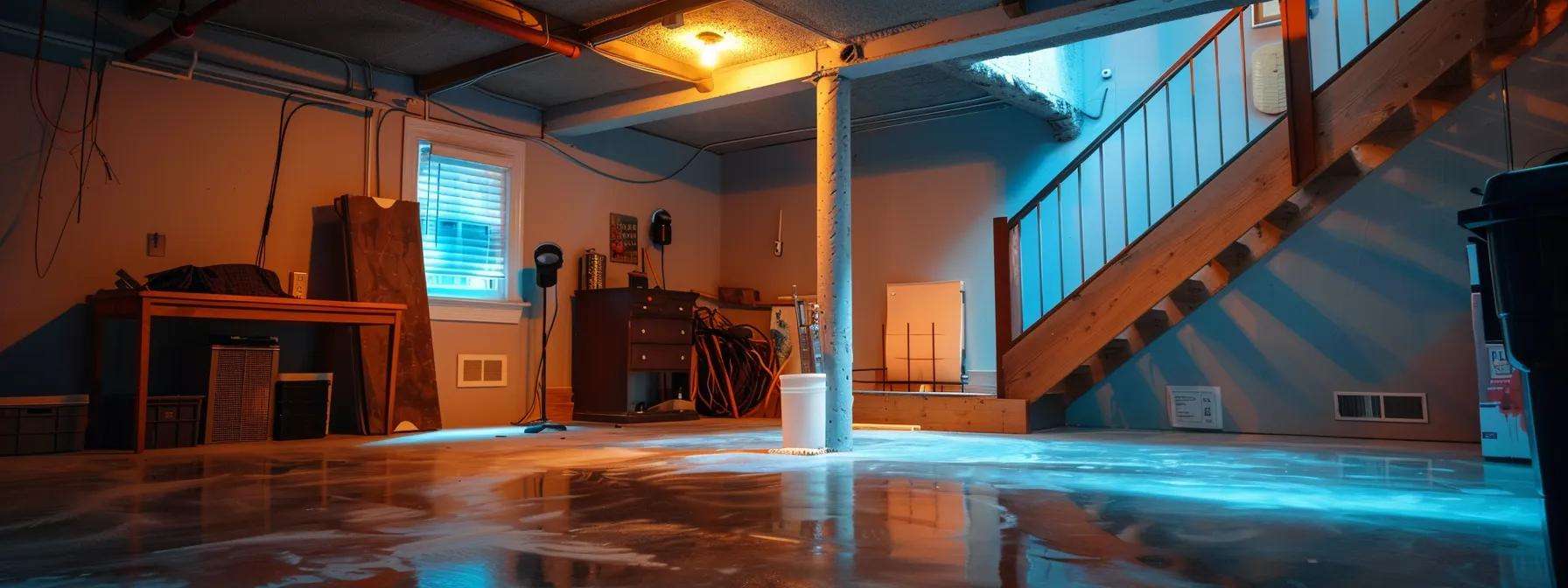
The occurrence of efflorescence on basement walls is a vivid marker of water movement through masonry. Efflorescence is created when water dissolves minerals from within the concrete or brick and deposits them on the surface as it evaporates. This can lead to a chalky, white residue that is often dismissed as a minor issue. However, once noticed, it calls for thorough investigation because it unmistakably signals the presence of moisture passage. Homeowners should examine the pattern and distribution of this white residue as it often follows the contours of water intrusion. The presence of efflorescence indicates depressed areas where water has been moving consistently through the structure, which could lead to deterioration or even cracking if left unaddressed.
Peeling surfaces, such as flaking paint and lifting wallpaper, often occur in tandem with efflorescence. As water infiltrates the walls, it compromises the bonding agents in paint and adhesives, leading to visible peeling. These changes are not simply superficial; they are symptomatic of deeper underlying moisture problems. For example, when paint begins to bubble and peel, it demonstrates that water is trapped beneath the surface layer, failing to evaporate properly due to insufficient venting or flawed construction. Over time, this not only degrades the appearance but also exposes the substrate to further water damage and corrosive effects.
Furthermore, peeling surfaces impair the energy efficiency of the structure since damaged paint or coatings may lead to additional heat loss. Detecting and addressing these symptoms early on is crucial for the long-term durability of the building. Homeowners are advised to document these changes and seek a professional evaluation to identify the water intrusion’s correct source. Such interventions can prevent expensive foundation repairs and mitigate risks of hazardous mold proliferation.
Comparing Wood Degradation From Water Contact Versus Moisture Absorption

When it comes to wood degradation, water contact from direct leaks produces a different set of signs compared to moisture absorption resulting from high humidity. Direct water contact often manifests in distinctly stained or waterlogged areas where the wood appears swollen, softened, and may even begin to rot. This process is typically abrupt and localized, affecting specific areas that are in direct contact with the source of water intrusion. In severe cases, prolonged water exposure may lead to structural failure of wooden components such as beams and joists, posing severe safety risks.
In contrast, moisture absorption from ambient humidity tends to have a more gradual impact on wood. Over time, even moderate levels of ambient moisture can cause wood to expand and eventually warp. Unlike the rapid deterioration caused by direct water leakage, this form of wood damage may initially appear minor, such as slight discoloration or subtle warping. However, continuous exposure to high humidity eventually encourages the growth of mold and mildew, further accelerating the degradation process. Moreover, wood that has absorbed moisture consistently may lose its structural integrity, reducing its effectiveness as a support material and making it more susceptible to pest infestations.
Regular inspection, along with the use of moisture meters, is vital to distinguish the type of wood degradation occurring within the basement. If wood appears uniformly damp without localized water marks, the problem may be excessive humidity. However, if only a section of wood is severely deteriorated, it is more likely the result of direct water contact from a leak. Correct identification of the underlying cause is essential for successful remediation and ensuring that preventive measures, such as improved drainage, dehumidification, or foundation waterproofing, are properly implemented.
Evaluating Odor and Air Quality Cues

Odor and indoor air quality often serve as early warning signals for unseen water intrusion within a basement. The presence of a musty scent or a sudden change in air quality can be indicative of hidden moisture that has yet to manifest as visible water damage. Since water intrusion frequently leads to mold and mildew growth, which in turn release microbial volatile organic compounds (MVOCs), these odors may be the first sign that a leak or persistent dampness is present. In many cases, these olfactory signals prompt homeowners to investigate areas that appear outwardly dry but are actually compromised by long-term water exposure.
The detection of unusual odors is not only essential for identifying hidden water presence; it also has significant implications for the health of the building’s inhabitants. Basements with persistent musty odors often have poor ventilation, allowing moisture to linger and mold spores to accumulate. Indoor air quality can degrade rapidly in such environments, contributing to respiratory issues, allergies, and even long-term health concerns. Therefore, it is critical that homeowners take any such odor cues seriously and conduct comprehensive investigations of affected areas.
Detecting Musty Scents Linked to Water Intrusion
Musty scents in a basement are a telltale sign of mold and damp conditions that have developed over time. These unpleasant odors are generally the result of fungal growth thriving in environments with restricted airflow, high moisture levels, and organic material that serves as a food source. The scent is often described as earthy or stale, and while it may initially be faint, it typically intensifies as the mold colony expands. Homeowners should pay particular attention to areas near the floor, around pipes, or in corners where ventilation is poor, as these are common sites for mold development.
It is important to note that a musty smell is not solely indicative of visible mold damage; it can also reflect hidden water issues behind walls or under flooring. Even if no visible signs of water are present, the persistent odor should trigger a comprehensive inspection using moisture meters or infrared cameras. These tools can detect moisture levels behind surfaces that appear dry, thereby pinpointing areas where water intrusion may be occurring. Addressing these hidden issues promptly is essential to prevent further structural damage, reduce health risks such as allergies or respiratory issues, and maintain proper indoor air quality.
Recognizing Odor Patterns That Hint at Hidden Water Presence
Beyond just detecting a general musty odor, specific odor patterns can further hint at hidden water presence. It is common for certain areas, such as behind large appliances, around the foundation’s seams, or near sump pump systems, to harbor water intrusion that is not immediately evident to the naked eye. The odor in these localized areas may be more intense than in other parts of the basement and might vary in concentration throughout the day. For example, odor intensity can sometimes correlate with periods of high humidity when water vapor is more readily released into the air.
Homeowners can conduct simple tests to determine whether the odor originates from moisture issues. One method is to use a portable air quality monitor to detect the concentration of MVOCs in suspected areas. Additionally, comparing the odor strength in different parts of the basement can reveal hidden water sources; if one corner consistently smells worse despite regular cleaning and ventilation, this discrepancy may indicate an underlying leak. Recognizing these patterns and coupling them with visible signs such as damp patches or streaks can provide conclusive evidence of hidden water intrusion. An informed inspection using these indicators is critical to prevent further deterioration and safeguard both the structure and the health of the residents.
Inspecting Floors and Wall Interfaces for Anomalies
A thorough inspection of floors and wall interfaces is indispensable when diagnosing basement moisture issues. These areas, often where structural materials meet or where surface finishes are applied, are particularly vulnerable to water penetration and the resultant damage. Even subtle anomalies such as softened drywall or slight depressions on a concrete floor can be key indicators of problems. Over time, with repeated exposure to moisture, the integrity of building materials is compromised, leading to issues like warping, adhesion failure, and even structural instability.
Inspection should begin with a systematic visual survey, supplemented by tactile examination. Homeowners should look for any inconsistencies in the surface texture—areas that feel softer or cooler than surrounding materials can signal the presence of water. It is important to differentiate between areas that are simply experiencing condensation and those where water has actually seeped in. In some cases, a localized water presence can be disrupted by capillary action, drawing moisture into porous materials at interfaces between walls and floors. This type of seepage often results in distinct patches of dampness that may not be immediately apparent without close inspection.
Locating Wet Drywall or Softened Floor Areas
When assessing the basement, one of the first tangible signs of water intrusion is the presence of wet drywall or softened flooring. Drywall that has absorbed water loses its rigidity and may become spongy to the touch. In severe cases, the drywall may even begin to sag or crumble. Such deterioration is a clear sign that the moisture has been absorbed over an extended period, affecting the structural stability of the surface. Likewise, floor areas that exhibit a softened texture or depressions indicate that water has seeped through the underlying layers, eroding the material’s strength.
Examination should extend to the interfaces where walls meet floors, as these are common sites for water tracks due to capillary action. Homeowners are advised to slowly run their hand along suspected areas to assess any abnormal softness. If the area feels damp or if the paint on the adjacent wall shows early signs of blistering, it is crucial to investigate further using moisture meters. These devices can provide precise readings that differentiate between high humidity and direct water intrusion. In particular, persistent wetness in these areas, especially after prolonged dry periods, strongly suggests an underlying leak or continuous seepage. Addressing these problems promptly can prevent more serious complications, including mold growth and structural decay.
Determining Differences in Water Seepage Versus Condensation Effects
Understanding the difference between water seepage and condensation effects is essential for accurate diagnosis. Water seepage from a leak tends to form a concentrated, localized area of dampness where the water follows a distinct path, such as along a crack in the foundation or through a compromised vapor barrier. In contrast, condensation effects are usually more diffuse, appearing as a light, even mist on surfaces, and are often contingent on external temperature differences.
Using diagnostic tools such as moisture meters and infrared thermometers can help distinguish between the two phenomena. In areas of true seepage, the moisture readings will consistently be higher compared to adjacent surfaces, whereas condensation will result in similar readings across a broader area. Additionally, seepage is more likely to result in definitive water stains and potentially pooling water after rainfall, while condensation typically evaporates once the basement is ventilated or when external temperatures change. Homeowners should conduct periodic inspections during different weather conditions to see if the moisture patterns change. If the moisture remains persistent and isolated to specific spots, it is more likely due to water seepage that requires professional intervention. Accurate detection is crucial for deciding whether to implement targeted leak repairs or broader improvements in ventilation and dehumidification.
Mitigating Risks and Preparing for Long-Term Prevention
Long-term prevention of basement moisture issues requires both immediate remedial measures and sustained monitoring practices. Once anomalies such as leaks, condensation, and material degradation have been identified, it is important to mitigate the risks associated with water intrusion before they escalate into more severe structural damages or health hazards. Proactive measures, such as applying effective waterproofing coatings to walls and floors, installing proper drainage systems, and ensuring efficient sump pump functioning, are critical steps in preventing further water issues.
Furthermore, addressing risk areas early establishes a foundation of safety and reduces future repair costs. Homeowners should periodically perform comprehensive inspections of their basements and enlist the help of professionals when necessary. Preventive actions are not only focused on treating visible issues but also on stopping potential water entry points from developing due to ongoing exposure to unfavorable conditions, such as heavy rainfall, snowmelt, or groundwater pressure. Maintaining proper indoor air quality and adequate ventilation plays a substantial role in preventing moisture accumulation that could foster mold and mildew growth. Additionally, regular maintenance of these systems contributes to the longevity of structural materials and overall basement integrity.
Identifying Areas Needing Waterproofing Measures
Determining which areas in the basement require additional waterproofing is a critical initial step in the long-term prevention process. Homeowners should methodically inspect all potential ingress points such as low wall sections, cracks, and compromised seals around windows and doors. These areas, if left untreated, can allow water to seep steadily into the basement over time. Key indicators include well-defined water stains, visible cracks in the foundation, and persistent dampness. In addition, older basements often utilize outdated waterproofing techniques that may not effectively guard against modern environmental stresses like increased groundwater levels due to heavy rainfall or melting snow.
Once these areas are identified, a comprehensive waterproofing strategy should be implemented. This may involve the application of high-quality sealants, installation of interior drainage channels, and the incorporation of vapor barriers. Homeowners are advised to consult with structural engineers or waterproofing experts to assess the severity of the issue and recommend a tailored solution. In many cases, addressing these vulnerabilities not only prevents future water intrusion but also contributes to improved indoor air quality and a reduction in energy costs by maintaining dry insulation. Moreover, the use of advanced materials and modern engineering practices in waterproofing can extend the life expectancy of basements and foundations significantly.
Setting Up Monitoring Practices for Early Detection of Water Entry
Establishing an effective monitoring system is essential for early detection of water intrusion, allowing homeowners to take preventive actions before significant damage occurs. Routine inspections should be scheduled regularly—ideally before and after heavy rain or snowfall—and should include both visual checks and the use of moisture meters to quantify dampness in critical areas. In addition, modern technologies such as wireless moisture sensors can continuously monitor environmental conditions in basements. These sensors provide real-time data and alerts, helping to detect any sudden increase in moisture levels that may indicate a leak.
Monitoring practices should include a checklist for common problem areas such as wall-floor interfaces, window seals, and around sump pump installations. Recording moisture readings over time can also help track trends and predict potential failures. For example, a gradual increase in dampness over several months might signify that a minor crack is expanding and will soon require repair. In addition, integrating these monitoring activities into a foundation maintenance schedule ensures that any underlying issues are detected and addressed promptly. This proactive strategy can help minimize extensive water damage, reduce repair costs, and ensure a safer living environment.
Table: Comparison of Water Intrusion Detection Methods
Before proceeding with any remedial measures, it is useful to compare several detection methods for water intrusion. The table below summarizes key attributes of each method, including detection accuracy, cost, ease of use, and suitability for long-term monitoring.
The above table provides an overview of different methodologies, highlighting the pros and cons of each detection method. Visual inspections serve as the first line of defense and are most effective when combined with equipment-based methods such as moisture meters and infrared technology. These diagnostic tools not only offer greater accuracy but also enable homeowners to monitor changes over extended periods. Wireless sensors, in particular, are ideal for ongoing monitoring in moisture-prone areas due to their continuous readouts and ease of integration into a smart home setup.
Following the table, it is clear that adopting a combination of these detection methods can yield the best results. A hybrid approach—starting with periodic visual inspections and supplementing them with continuous monitoring systems—ensures comprehensive coverage and early warning signals for any water intrusion. This strategy is especially recommended for older foundations or areas with a known history of moisture issues.
Frequently Asked Questions
Q: How can I tell if my basement moisture is due to condensation or a leak? A: Condensation usually appears as a fine film on surfaces and dissipates with improved ventilation, while leaks result in persistent puddles and distinct water stains. Tools such as moisture meters can help differentiate between the two.
Q: What are the immediate risks if basement water intrusion is not addressed? A: Untreated water intrusion can lead to long-term structural damage, mold growth, reduced indoor air quality, and potential health hazards. It may also compromise the foundation and overall structural integrity.
Q: Can I perform homework inspections to detect early water intrusion signs? A: Yes, regular visual inspections combined with the periodic use of moisture meters and infrared cameras can help detect early signs of water seepage. Monitoring both environmental conditions and material changes is essential.
Q: What role does proper ventilation play in preventing basement moisture issues? A: Adequate ventilation helps reduce condensation by promoting airflow and maintaining balanced humidity levels. It also assists in drying out moisture before it leads to severe damage.
Q: Are there professional services available for comprehensive basement moisture management? A: Absolutely. Professional waterproofing services can provide detailed assessments, detect hidden water issues, and recommend appropriate remedial and preventive measures, including advanced monitoring and waterproofing solutions.
Key Takeaways
- Direct signs such as water puddles and fresh stains are primary indicators of active water leaks.
- Indirect moisture symptoms, like condensation, differ from leaks and often manifest as ambient dampness.
- Visible material changes, including efflorescence and peeling surfaces, signify prolonged water exposure.
- Odor cues, especially musty scents, are early indicators of hidden water intrusion and potential mold risks.
- Regular inspections, along with professional monitoring tools, are essential for long-term basement moisture management.
- Implementing preventive measures, such as foundation waterproofing, improves indoor air quality and safeguards structural integrity.
- A combined approach using visual and technological tools ensures early detection to prevent costly repairs.
Final Thoughts
Basement moisture issues can pose serious risks to both the structure and indoor air quality of a home. Early detection through direct signs, such as water puddles and stains, is crucial for successful intervention. Differentiating between direct water leak signs and indirect moisture symptoms allows homeowners to tailor appropriate solutions. Regular monitoring, combined with professional waterproofing and proper ventilation, is key to preventing long-term damage and maintaining a healthy living environment.
If you need help with waterproofing your foundation or basement on your home, contact Pacific Waterproofing and get a free estimate.