
Waterproofing a concrete foundation is essential for ensuring the durability, structural integrity, and longevity of a home. When moisture infiltrates a foundation, it not only jeopardizes the concrete itself but also paves the way for issues like mold growth, material degradation, and even structural instability. Homeowners must be aware of the inherent risks connected with water intrusion, as well as understand the long-term consequences such as expensive repairs and potential health hazards. This comprehensive article examines why concrete Foundation Waterproofing matters, focusing on identifying water intrusion dangers, financial implications, health and environmental impacts, tested protection strategies, maintenance routines, and long-term resilience measures. The discussion integrates detailed research, industry data, and proven maintenance practices to provide actionable insights for safeguarding your most important investment. With keywords such as foundation issues, caulk, sealant, waterproofing, and drainage intricately woven throughout, this guide aims to educate homeowners on the need for proactive waterproofing measures to prevent water damage, mitigate repair costs, and secure both property value and family wellbeing.
Transitioning from the importance of understanding water intrusion to establishing robust protection and maintenance systems, we kick off by examining the immediate dangers posed by water infiltration on concrete foundations.
Recognizing Water Intrusion Dangers for Home Foundations
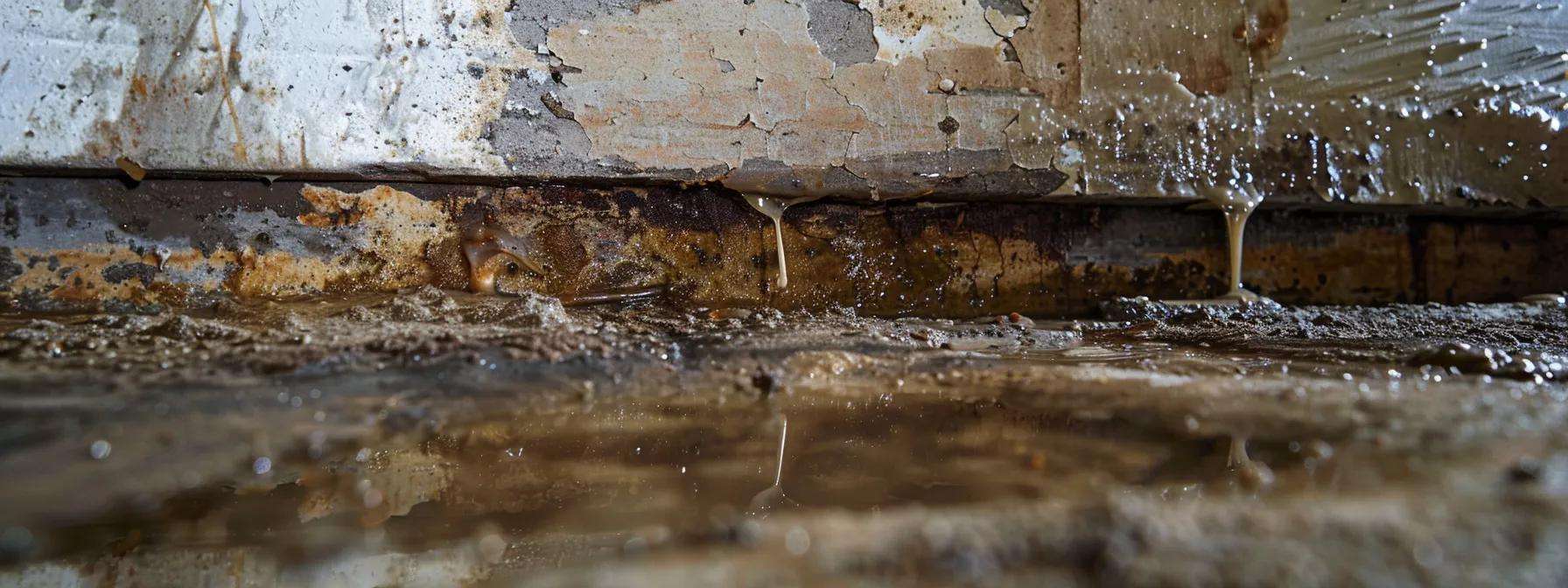
Water intrusion in foundation structures can compromise the integrity of even the sturdiest materials. The first step for homeowners is to recognize the dangers by identifying the entry points through which moisture seeps into the concrete. Moisture can penetrate a foundation from different sources such as groundwater, rainwater, and condensation, ultimately leading to deterioration if not addressed.
Identifying Moisture Entry Points in the Structure
The initial detection of water intrusion begins with inspecting the foundation for any cracks, gaps, or porous areas that allow moisture to penetrate. For instance, older homes might have visible cracks along the concrete slab or gaps around the pipe penetrations that create vulnerable areas. These cracks often serve as conduits for soil moisture driven by capillary action, which can continuously feed water into the foundation. Additionally, low-lying areas around the home where water may pool, such as improperly graded landscapes, further exacerbate the risks. Homeowners are advised to carefully examine the joint areas and balconies where the concrete may be thinly poured. By recognizing these potential weak points, proactive measures such as applying high-quality caulk or sealant can mitigate the entry of water before significant damage occurs.
Assessing Risks Related to Environmental Factors
Environmental conditions contribute heavily to moisture intrusion risks. Heavy rainfall, high humidity, long periods of wet weather, and dynamic seasonal changes all influence how water interacts with the structural integrity of concrete foundations. In cooler climates, moisture that accumulates can freeze and expand, leading to additional stress and the formation of cracks in the concrete. Furthermore, soil type and composition around a foundation play a key role in water absorption and drainage capability. Clay soils, for instance, retain water for longer periods, increasing the risk of water buildup against the foundation walls. Research has shown that homes built in regions with high annual rainfall have up to a 35% higher likelihood of experiencing foundation issues if waterproofing is absent or not adequately maintained. Regular inspection and analysis of these environmental risk factors ensure that appropriate waterproofing measures can be planned and applied effectively.
Evaluating Signs of Water Damage and Deterioration
Visible signs of water intrusion in a foundation include discoloration of the concrete, efflorescence (a crystalline deposit formed by soluble salts), and surface degradation. Homeowners may also notice mold or mildew developing along the walls, which not only damages the foundation but also signals poor indoor air quality. Additional symptoms, such as damp or musty odors and the peeling away of paint, intensify concerns about how pervasive the water damage may be. It is critical for homeowners to monitor any noticeable cracks and joint separations and observe for any sudden changes in the foundation’s appearance. Advanced monitoring tools like moisture meters or infrared cameras can be deployed to quantify the extent of dampness and locate hidden moisture pockets. Early detection and evaluation of these signs facilitate timely intervention, thereby preserving the structural integrity and extending the life of the concrete foundation.
Weighing Financial Implications of Foundation Water Problems
Water-related damage to a foundation is not merely a structural issue—it also carries significant financial consequences. Homeowners often face enormous repair bills when water intrusion leads to concrete degradation or necessitates extensive waterproofing. By proactively implementing maintenance measures, substantial expense savings can be realized in the long term.
Calculating Repair Expenses From Recurring Moisture Issues
Recurring moisture problems can lead to repeated repair expenditures. For instance, water seeping into a concrete foundation may result in recurring cracks that expand over time. Each repair, whether it involves simple caulking or more comprehensive methods like epoxy injections, accumulates significant costs. In some cases, the recurrent nature of these repairs can push overall expenses by 20% or more over the years. Studies indicate that investing in quality waterproofing materials upfront often results in a reduction of repair expenses by nearly 30% compared to repeated reactive repairs. The key is to quantify the potential costs by obtaining professional estimates that factor in both immediate and long-term repair needs—thus providing homeowners with clear financial projections to support a decision for proactive waterproofing.
Assessing Long Term Savings From Preventive Measures
Long-term savings can be realized by implementing preventive measures well before severe damage occurs. Advanced waterproofing systems and robust drainage solutions may initially seem costly but often offset future repair and maintenance costs. Preventive actions such as installing high-quality sealants, waterproof membranes, and perimeter drainage systems avert the recurrent costs associated with foundation repairs. Additionally, routine inspections and minor interventions reduce the likelihood of costly emergency repairs. By proactively sealing foundation cracks and ensuring proper grading around the property, many homeowners report savings of up to 25% over a 10-year span in maintenance expenses. This proactive approach not only minimizes immediate financial risks but also stabilizes the long-term market value of the property, making it an economical solution in the long haul.
Comparing Costs of Proactive Waterproofing Versus Reactive Repairs
When comparing the expense of proactive waterproofing to reactive repairs, the benefits of prevention become clear. Reactive repairs are often more expensive due to the urgency and scope of the work required once significant damage has occurred. On the other hand, a proactive approach involving routine sealing and waterproofing measures tends to distribute the cost over time, reducing the overall financial burden. For example, a single reactive repair following extensive water damage might cost homeowners several thousand dollars in labor and replacement expenses, whereas scheduled preventive maintenance may only require an annual investment that is a fraction of the repair cost. A detailed cost–benefit analysis shows that preventive waterproofing can lead to substantial net savings—sometimes mitigating between 20% to 35% of potential future repair costs. This comparison highlights how a moderate, continuously managed upkeep strategy is far more economical than facing extensive, unplanned repair bills.
Safeguarding Health and Home Environment
Moisture infiltration into a home’s foundation does not only threaten structural integrity but also poses severe health risks. The growth of mold and mildew, as well as the subsequent impact on indoor air quality, can exacerbate respiratory conditions and allergies. These consequential effects make it paramount to maintain a dry foundation for the health of occupants and the overall home environment.
Noting the Effects of Mold Growth From Excess Moisture
Mold growth is one of the most immediate hazards when moisture penetrates the concrete foundation. The damp conditions inside and outside the foundation encourage the proliferation of mold spores that can quickly contaminate indoor spaces. Notably, even small amounts of water can create an environment where mold thrives. Studies have indicated that continuous exposure to mold can cause respiratory issues, trigger allergies, and even contribute to long-term health conditions such as asthma. Moreover, mold can feed on organic matter in building materials, further deteriorating the structure and reducing its lifespan. Regular monitoring and ventilation, combined with proactive waterproofing, are essential to curb mold proliferation and safeguard both physical health and the aesthetic appeal of the property.
Reviewing Changes in Indoor Air Quality Linked to Dampness
Indoor air quality is directly impacted by the presence of moisture from foundation water issues. Damp environments lead to higher humidity levels indoors, creating conditions that can cause condensation on surfaces, thereby fostering mold and mildew growth. These factors culminate in poor air quality, which can manifest in symptoms like headaches, fatigue, and even more serious respiratory complications. Scientific research underscores that homes with chronic moisture problems often report indoor air pollutant levels that exceed safe thresholds, affecting both adults and sensitive populations such as children and the elderly. The integration of proper waterproofing measures curbs excessive moisture, thereby reducing hazardous airborne contaminants and promoting a healthier indoor environment. Homeowners should conduct periodic air quality testing and ensure that ventilation systems are appropriately maintained, thus allowing for early detection and remediation of dampness that compromises air purity.
Recognizing the Importance of a Dry Foundation for Family Wellbeing
The overarching benefits of maintaining a dry foundation extend beyond structural concerns to encompass overall family wellbeing. A home environment free from excessive moisture, mold, and mildew not only enhances indoor air quality but also provides a safer and more comfortable atmosphere for its inhabitants. Children, the elderly, and individuals with pre-existing health issues are particularly vulnerable to the adverse effects of damp and moldy living conditions. A dry, well-maintained foundation contributes significantly to reducing allergic reactions and respiratory illnesses. Furthermore, consistent efforts in waterproofing the concrete foundations have a cascading effect—they ensure fewer contaminants, thereby lowering the likelihood of costly medical visits and long-term health issues. This collective benefit underscores the critical nature of investing in foundation waterproofing as a proactive measure that reinforces both property value and the quality of life within the home.
Implementing Tested Strategies for Concrete Foundation Protection
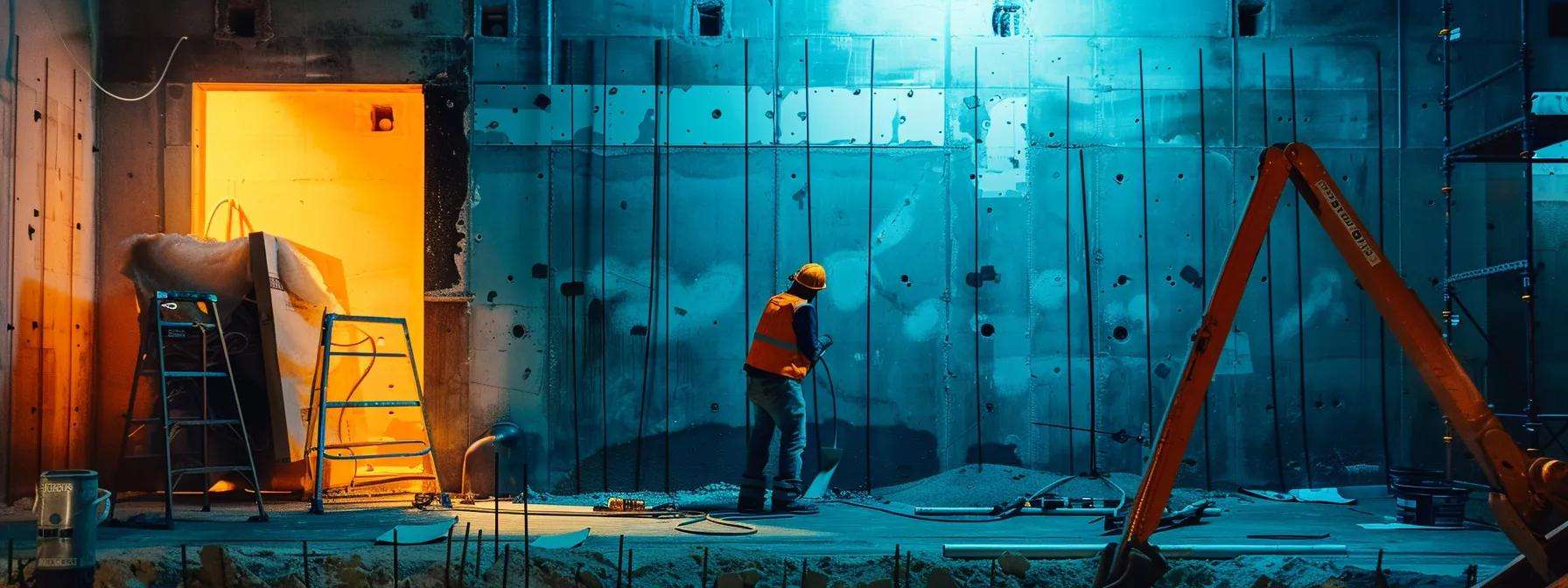
Proven and tested strategies exist to protect concrete foundations from water intrusion and the resultant damages. These methods encompass both external and internal waterproofing systems that significantly extend the life of the foundation. The application of quality materials and adherence to proper installation procedures are crucial for effective waterproofing—ensuring that every barrier performs its intended function under variable environmental conditions.
Selecting Quality Waterproofing Systems With Proven Results
The selection of premium waterproofing systems is critical for effective foundation protection. Homeowners are often presented with a range of materials such as cementitious coatings, liquid rubber, and advanced polyurethane membranes that are engineered to provide a robust barrier against water intrusion. High-quality waterproofing systems come backed by performance data that demonstrate their ability to withstand high-pressure water environments, thereby maintaining adhesion and durability over time. Peer-reviewed studies have shown that modern waterproofing products based on epoxy resins and reinforced with steel mesh can reduce water infiltration by up to 40% compared to conventional methods. With rigorous product testing and quality certifications, these systems ensure that water pressure, soil moisture, and even extreme weather conditions are effectively mitigated.
Coordinating Methods That Combine External and Internal Barriers
To achieve the greatest level of protection, combining both external and internal waterproofing measures is often recommended. External methods include the application of waterproof coatings on the exterior surfaces of the foundation and the installation of perimeter drainage systems such as french drains. These are complemented by internal approaches such as the use of sealants and vapor barriers on the interior surfaces of the basement walls. The integration of these techniques creates multiple defense layers that work synergistically. For example, while an external membrane repels water penetration from the surrounding soil, an internal sealant can effectively capture any minor leaks occurring within the structure. This dual barrier approach has been documented to provide superior performance in reducing water intrusion, ultimately reducing the risk of structural damage and mold development. Homeowners should engage professional contractors to ensure that coordination between internal and external methods is flawless, thereby optimizing system performance.
Following Proper Installation Processes for Durability
Installation quality is as crucial as the selection of materials when it comes to waterproofing a foundation. Even the best waterproofing products can fail if not applied correctly. Adhering to manufacturer guidelines, surface preparation, and controlled environmental conditions during application are essential steps. For instance, preparing the concrete surface by cleaning, etching, and allowing it to dry completely ensures proper adhesion of the waterproofing layer. Professional installers follow rigorous quality control measures that involve multiple layers of application and curing times that are commensurate with climatic conditions. Studies indicate that proper installation can enhance the longevity of waterproofing systems by up to 50% compared to poorly executed applications. Regular quality inspections during the installation process identify areas of improvement, ensuring that the system is uniformly applied across the foundation.
Integrating Suitable Drainage Solutions to Reduce Water Build-Up
Effective drainage is indispensable in managing groundwater and surface water around a concrete foundation. Installing a dedicated drainage system, such as a french drain or sump pump, alleviates water pressure against the foundation walls. These solutions effectively channel water away from the home, thereby preventing the buildup that causes hydrostatic pressure on the foundation. In addition, proper grading around the house is crucial—ensuring that water flows away rather than pooling near the foundation. Homeowners should consider integrating multiple drainage solutions, including moisture barriers and strategically placed downspouts, to safeguard against water infiltration from various sources. The cumulative effect of these integrated drainage measures significantly diminishes the risk of water damage and prolongs the efficacy of any waterproofing system employed.
Adapting Maintenance Routines for Lasting Waterproofing Results

Maintenance is a continuous process that plays a vital role in the longevity of foundation waterproofing. Even after implementing robust waterproofing solutions, regular inspections and maintenance are necessary to prevent minor issues from escalating into major water damage concerns. Establishing a well-defined maintenance routine not only confirms the performance of the waterproofing systems but also ensures that seasonal changes and natural wear are promptly addressed.
Scheduling Regular Inspections to Prevent Minor Issues From Growing
Routine inspections should be scheduled at least yearly, with additional checks following extreme weather events. During these inspections, professional evaluators and homeowners should examine the foundation for signs of wear such as small cracks, boat marks, or areas where the sealant may be peeling. Early detection is key; Addressing minor issues like small discolorations or superficial efflorescence can prevent more severe damage. Inspections also include evaluating drainage systems to confirm that they are free from debris and functioning optimally. The proactive approach of regular maintenance not only extends the lifespan of waterproofing investments but also minimizes emergency repair costs. Homeowners are advised to maintain a detailed log of each inspection and any repairs or maintenance work performed, ensuring continuity and aiding future assessments.
Monitoring the Performance of Installed Waterproofing Layers
After a waterproofing system is installed, its performance should be monitored rigorously over time. This monitoring can be achieved by using moisture detection tools and leveraging professional services that offer periodic performance assessments. The effectiveness of the waterproofing layer may diminish due to factors such as UV exposure, chemical degradation, or physical wear from external forces. Advanced tools like infrared thermography or moisture meters provide quantifiable data on the system’s performance and can highlight potential failures well before visible damage appears. Through these regular assessments, contractors can determine if a bond is deteriorating or if additional layers of maintenance are required. Such monitoring not only protects the structural integrity but also supports long-term planning for when the waterproofing system might need to be reapplied or replaced.
Adjusting Maintenance Routines in Response to Seasonal Changes
Seasonal variations play a significant role in the performance and upkeep of foundation waterproofing. The transition from dry summer to wet winter months, for example, presents different challenges that necessitate adjustments in maintenance routines. In winter, freeze-thaw cycles can exacerbate cracks and cause expansion in the concrete, prompting the need for additional sealant applications or repairs. Conversely, during the summer months, high temperatures may cause certain waterproofing materials to degrade faster, requiring more frequent inspections. Homeowners must adapt their routine maintenance schedule to accommodate these seasonal changes, ensuring that drainage systems are cleared before the rainy season and that protective coatings are reapplied as needed. Such adjustments maintain the barrier’s integrity through fluctuating environmental conditions, further securing the foundation against water infiltration and its associated risks.
Experiencing Long Term Resilience Through Proactive Protection
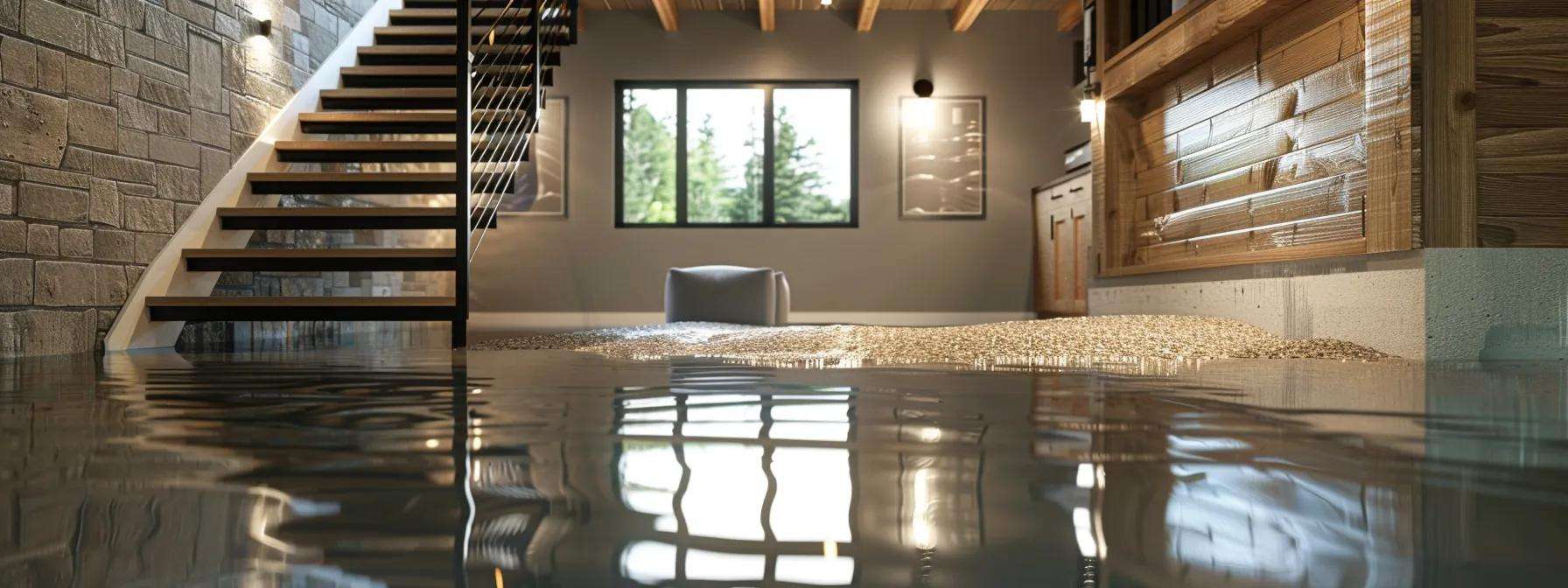
Long term resilience against water intrusion is achieved by combining effective waterproofing solutions with ongoing care and maintenance. A resilient foundation not only upholds the structural integrity of a home but also maintains property value, reduces repair emergencies, and supports the overall health of the indoor environment. Proactive protection measures, when implemented and upheld, demonstrate significant long-term benefits, providing homeowners with peace of mind and financial stability.
Protecting Property Value With Sustained Foundation Integrity
A well-protected foundation is central to preserving a home’s market value. Continuous moisture exposure not only degrades concrete but also affects the overall aesthetic and structural quality of the property. Homes that exhibit signs of water damage or have undergone frequent repairs tend to experience depreciated values when assessed by real estate professionals. Proactive waterproofing significantly enhances the durability of the foundation and, by extension, the entire structure. This increase in resilience is reflected in higher appraisal values and lower insurance premiums. Moreover, a robust foundation reduces future repair costs, which is an attractive proposition for prospective buyers. Maintaining committed waterproofing practices ensures that a home remains in optimal condition, protecting its long-term fiscal value in the competitive real estate market.
Preventing Unexpected Repair Emergencies Before They Evolve
Unexpected repair emergencies can disrupt daily life and lead to exorbitant, unplanned expenses. Minor issues, if left unchecked, may escalate into severe water damage, leading to costly structural repairs and potential hazards in the living environment. Proactive maintenance, timely inspections, and prompt interventions act as preventive measures that keep such emergencies at bay. By identifying and addressing small leaks, cracks, or drainage issues early, homeowners can avoid the cascading effects of water pressure that may eventually lead to foundation failure. The adoption of monitored protection systems also enables early warning signals, allowing for swift professional intervention. This strategy not only ensures the safety of the home’s occupants but also minimizes the financial shock associated with emergency repairs, creating a more secure and predictable home management environment.
Investing in Ongoing Care to Secure Structural Performance Over Time
Long-term care for a foundation should be viewed as an investment in the home’s future. This investment involves allocating resources for regular maintenance, annual inspections, and prompt repair measures to ensure that waterproofing systems continue to perform optimally over the decades. The ongoing expenses associated with such investments are frequently offset by the avoidance of catastrophic failures and substantial repair costs. Homeowners who commit to this preventive strategy enjoy increased structural resilience and a higher return on investment when it comes time to sell. In essence, consistent, ongoing care fortifies the foundation against climatic extremes, soil movement, and other environmental stressors, ensuring that the building remains safe, comfortable, and valuable over its lifetime.
Frequently Asked Questions
Q: How often should foundation waterproofing be inspected? A: It is recommended to inspect foundation waterproofing at least once a year and immediately after heavy rain or extreme weather events to catch any emerging issues early and prevent costly repairs.
Q: What are the common signs of water damage in a concrete foundation? A: Common signs include cracks in the concrete, efflorescence (salt deposits), mold growth, damp or musty odors, and peeling paint. Identifying these signs early can help in taking swift remedial action.
Q: Can waterproofing prevent mold growth in a basement? A: Yes. Effective waterproofing maintains a dry foundation environment, reducing moisture levels that encourage mold development. This not only protects the structure but also improves indoor air quality.
Q: Are there environmentally friendly waterproofing options available? A: Absolutely. There are sustainable waterproofing products, including water-based membranes and eco-friendly sealants, that offer robust protection while minimizing environmental impact.
Q: How does proper drainage contribute to foundation waterproofing? A: Proper drainage channels water away from the foundation, reducing hydrostatic pressure that can compromise waterproofing systems. This involves implementing measures such as french drains, gutters, and proper grading—all essential for long-term foundation health.
Q: Is professional installation necessary for waterproofing a foundation? A: While DIY options exist, professional installation is highly recommended because it ensures proper surface preparation, material application, and overall system integrity, thus enhancing the performance and lifespan of waterproofing treatments.
Key Takeaways
- Effective waterproofing prevents water damage, structural degradation, and mold growth, protecting the home’s foundation.
- Proactive measures reduce long-term repair costs and help maintain market value by preserving foundation integrity.
- Regular inspections, combined with quality waterproofing systems, are vital for early detection and mitigation of moisture issues.
- A dual approach involving both external barriers and internal sealants provides superior protection against water intrusion.
- Proper drainage systems and seasonal maintenance are crucial in maintaining a dry, resilient foundation over time.
Final Thoughts
Concrete foundation and basement waterproofing is fundamental for homeowners aiming to secure the longevity and safety of their properties. By understanding water intrusion risks, financial impacts, and health hazards, homeowners can make informed decisions on preventive measures. Proactive maintenance and quality installation of waterproofing systems not only safeguard the structure but also add to the overall property value. Investing in long-term care ultimately creates a safer, healthier, and more resilient home environment.